
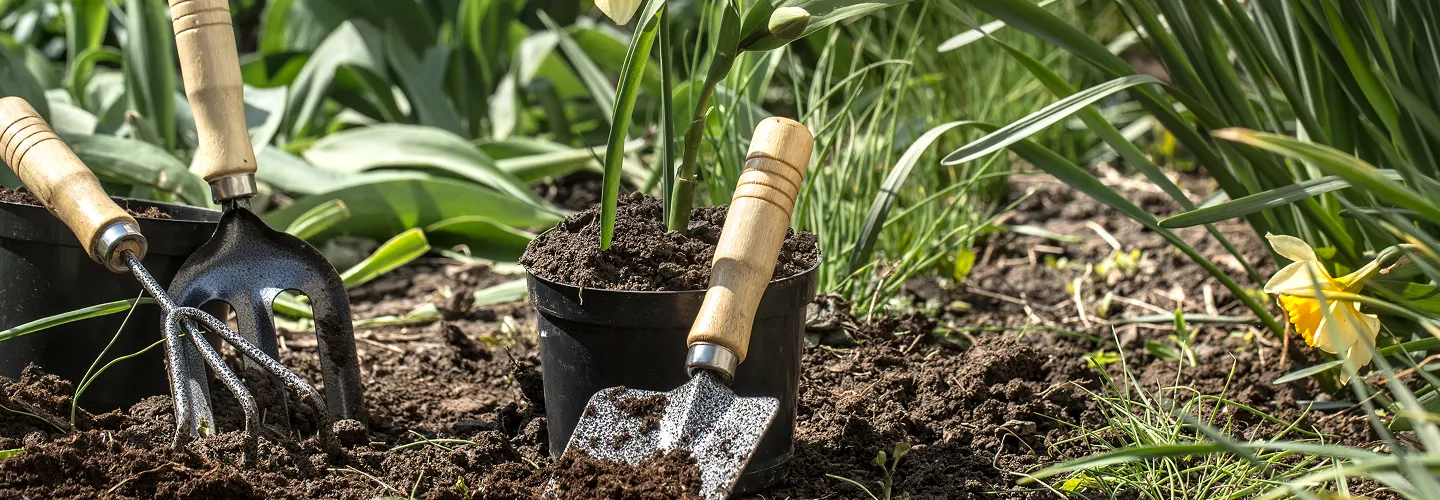
Sandersville Flower Bed Maintenance Services
Choose our expert Flower Bed Maintenance for lush, healthy blooms and a weed-free landscape—enjoy professional care that saves you time and keeps your garden looking its best.
Get a Free QuoteOur Sandersville Landscaping & Yard Care Services
When to Schedule Flower Bed Maintenance in Sandersville, Georgia – Seasonal Guide
In Sandersville, Georgia, timing your flower bed maintenance is crucial for vibrant, healthy landscapes throughout the year. The region’s humid subtropical climate means that spring and fall are generally the best seasons for most maintenance tasks, such as mulching, pruning, and planting. Early spring, just after the last frost date—typically in late March—offers ideal conditions for preparing beds and introducing new plants. Fall, especially from late September through October, is perfect for dividing perennials and refreshing mulch, as the soil remains warm but the air cools, reducing plant stress.
Local factors like the sandy loam soils found near the Kaolin mines, the shade provided by mature oaks in neighborhoods like Ridge Road, and the risk of summer droughts all play a role in determining the best maintenance schedule. Homeowners should also consider municipal watering restrictions and the impact of heavy rainfall during late summer thunderstorms. For more detailed local guidelines, refer to the official town resources.
Local Factors to Consider for Flower Bed Maintenance in Sandersville
- Tree density and shade coverage, especially in areas like North Harris Street
- Soil type and drainage, with sandy soils common near the Kaolin mines
- Average precipitation and risk of summer drought
- Frost dates and seasonal temperature swings
- Municipal watering restrictions and local ordinances
- Terrain and slope, which can affect runoff and soil erosion
Benefits of Flower Bed Maintenance in Sandersville

Enhanced Curb Appeal
Weed and Pest Prevention
Healthier Plant Growth
Seasonal Color Variety
Professional Landscape Expertise
Increased Property Value
Sandersville Flower Bed Maintenance Types

Seasonal Flower Planting
-
Weed Control Services
-
Mulching and Soil Conditioning
-
Pruning and Deadheading
-
Fertilization Programs
-
Pest and Disease Management
-
Edging and Bed Redefining
Our Flower Bed Maintenance Process
Site Evaluation
Weed Removal
Soil Preparation
Plant Care
Mulching
Why Choose Sandersville Landscape Services

Sandersville Homeowners Trust Us
-
Comprehensive Lawn Maintenance
-
Reliable Seasonal Cleanups
-
Expert Tree and Shrub Care
-
Efficient Irrigation Solutions
-
Competitive Pricing
-
Professional and Courteous Team
-
Satisfaction Guarantee
Sandersville Soil Series and Drainage Considerations for Flower Bed Maintenance
Flower bed maintenance in Sandersville requires careful attention to local soil and drainage conditions. The city is situated in USDA Hardiness Zone 8a, with soils commonly classified as Cecil and Greenville series—these are well-drained, acidic, red clay soils typical of Middle Georgia. Such soils can become compacted, limiting root growth and water infiltration, especially in older neighborhoods or areas with heavy foot traffic. To promote healthy flower beds, residents should:
- Test soil pH and amend with lime if pH is below 5.5
- Incorporate organic matter to improve structure and drainage
- Avoid overwatering, as clay soils retain moisture
- Use raised beds in low-lying or poorly drained areas For detailed soil mapping and recommendations, consult the USDA Web Soil Survey and UGA Cooperative Extension.
Navigating Sandersville’s Yard Waste Collection for Flower Bed Debris
Proper disposal of flower bed trimmings, weeds, and mulch is essential for compliance with Sandersville’s municipal waste protocols. The Sandersville Public Works Department oversees solid waste collection, including yard debris. Residents must:
- Place yard waste in approved containers or biodegradable bags
- Bundle branches and stems under 4 feet in length and 6 inches in diameter
- Avoid mixing soil or rocks with plant debris
- Set materials curbside on designated collection days (verify current schedule with the city) Improper disposal may result in code violations or collection refusal. For up-to-date procedures and collection schedules, refer to the city’s official guidelines.
Sandersville Public Works Department
141 W. Haynes St., Sandersville, GA 31082
Phone: (478) 552-3459
Official Website: Sandersville Public Works Department
Environmental Compliance: Protecting Sandersville Streams and Stormwater During Bed Maintenance
Sandersville’s flower beds are often located near drainage ditches, storm drains, or small streams that feed into the Oconee River watershed. Maintenance activities must prevent runoff of mulch, fertilizer, or pesticides into these sensitive areas. Key compliance steps include:
- Maintain a buffer of at least 25 feet from streams or open ditches when applying chemicals
- Use slow-release or organic fertilizers to reduce nutrient leaching
- Sweep, not hose, debris from hard surfaces to prevent storm drain contamination
- Follow Georgia EPD and Georgia Water Quality Standards for all chemical applications These practices help protect local water quality and comply with state and federal environmental regulations.
Selecting Flower Bed Plants and Mulch for Sandersville’s Climate and Wildlife
Plant selection for Sandersville flower beds should account for the city’s hot, humid summers, mild winters, and periodic droughts. Native and adapted species such as black-eyed Susan, coneflower, and oakleaf hydrangea thrive in Zone 8a and tolerate local soil acidity. Mulch choices should consider:
- Pine straw or shredded bark for moisture retention and weed suppression
- Avoiding cypress mulch to protect wetland resources
- Applying mulch 2-3 inches deep, keeping it away from plant stems Additionally, deer and rabbit browsing can be significant in wooded neighborhoods; select resistant varieties or use protective barriers as needed. For plant lists and wildlife management, consult UGA Cooperative Extension.
What Neighborhoods Do We Serve Throughout Sandersville, GA?
- Historic Downtown: Features mature trees, compacted clay soils, and smaller lots, requiring careful soil amendment and shade-tolerant plant choices.
- North Sandersville: Larger lots with mixed sun and shade, moderate drainage, and occasional deer pressure affecting plant selection.
- South Central Sandersville: Includes newer subdivisions with fill soils, moderate compaction, and HOA landscaping standards influencing bed design.
- Hamburg State Park Area: Proximity to natural areas and water features increases wildlife activity and runoff sensitivity, requiring buffer awareness.
- West Sandersville: Gently sloping lots with established lawns and flower beds, often needing erosion control and mulch renewal.
- East Sandersville: Transitional neighborhoods with variable soil quality and access, necessitating site-specific maintenance approaches.