
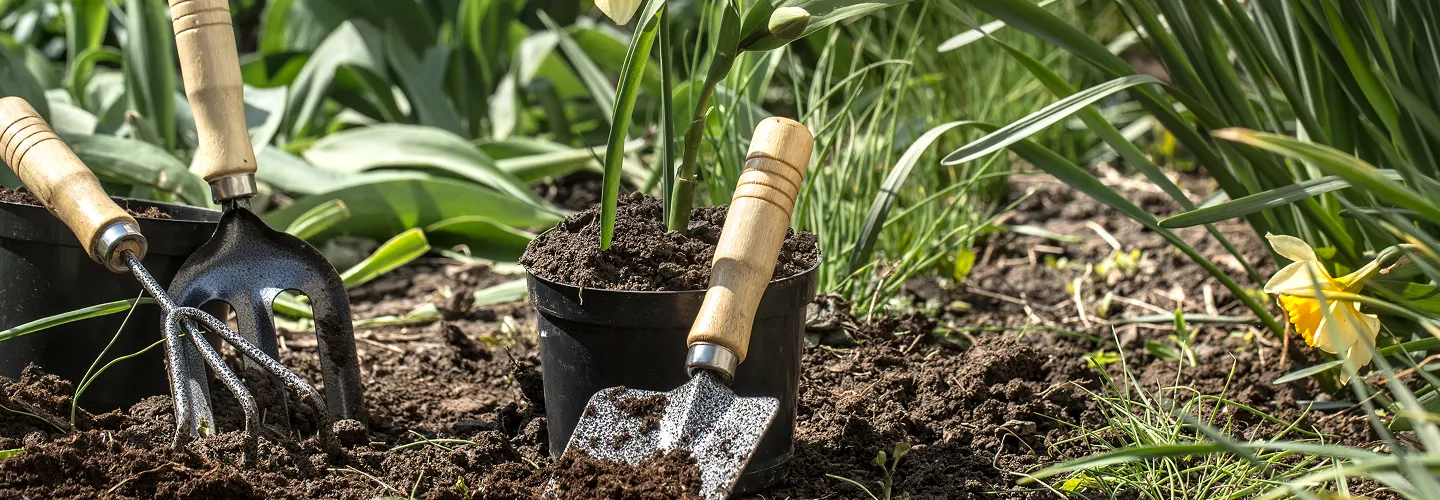
Sandersville Lawn Installation Services
Choose our expert lawn installation for a seamless, hassle-free transformation—enjoy a vibrant, healthy yard that boosts your home’s curb appeal and value, all backed by our commitment to quality and customer satisfaction.
Get a Free QuoteOur Sandersville Landscaping & Yard Care Services
When to Schedule Lawn Installation in Sandersville, Georgia – Seasonal Guide
Choosing the right time for lawn installation in Sandersville, Georgia, is essential for achieving a lush, healthy yard that thrives year-round. Sandersville’s climate features hot, humid summers and mild winters, making late spring and early fall the most favorable periods for new sod or seed. These seasons offer moderate temperatures and consistent rainfall, which help new grass establish strong roots before the extremes of summer heat or winter chill set in.
Local environmental factors play a significant role in determining the best installation window. For example, neighborhoods near Kaolin Plaza or along the Oconee River may experience varying soil types and moisture levels. It’s important to consider the area’s average last frost date in early April and the potential for late-summer droughts, which can impact both cool- and warm-season grasses. Homeowners should also be mindful of shade from mature oaks in historic districts and the sandy loam soils common in Sandersville. For more information on local climate and municipal guidelines, visit the official city resource.
Local Factors to Consider for Lawn Installation in Sandersville
- Tree density and shade coverage, especially in older neighborhoods
- Soil composition, such as sandy loam or clay
- Average precipitation and risk of summer drought
- Proximity to water sources like the Oconee River
- Terrain and drainage patterns
- Municipal restrictions or watering schedules
Benefits of Lawn Installation in Sandersville
Expert Landscaping Services
Customized Lawn Solutions
Efficient Project Completion
High-Quality Sod and Seed
Local Knowledge and Experience
Comprehensive Maintenance Support
Sandersville Lawn Installation Types

Sod Installation
-
Hydroseeding
-
Artificial Turf Installation
-
Grass Seed Planting
-
Zoysia Lawn Installation
-
Bermuda Grass Installation
-
Centipede Grass Installation
Our Lawn Installation Process
Site Evaluation
Soil Preparation
Lawn Installation
Watering and Initial Care
Why Choose Sandersville Landscape Services
Sandersville Homeowners Trust Us
-
Comprehensive Lawn Maintenance
-
Reliable Seasonal Cleanups
-
Expert Tree and Shrub Care
-
Efficient Irrigation Solutions
-
Competitive Pricing
-
Professional and Courteous Team
-
Satisfaction Guarantee
Sandersville's Fall Line Soils and Their Impact on Sod and Seed Establishment
Sandersville sits along Georgia's Fall Line, the geological boundary where the Piedmont plateau transitions into the Coastal Plain. This positioning produces a distinctive mix of sandy loam and clayey subsoils that directly affects lawn installation outcomes. Soils in the Washington County area—including series such as Orangeburg, Norfolk, and Faceville—tend to be moderately well-drained sandy loams over clay subsoils, with pH levels typically ranging from 5.0 to 6.0. Before installing sod or seeding, property owners should take the following preparatory steps:
- Conduct a soil test through the UGA Cooperative Extension Washington County office to determine pH, phosphorus, and potassium levels
- Apply lime if pH falls below 5.8, as most warm-season turfgrasses perform best between 6.0 and 6.5
- Till or aerate compacted clay subsoil layers to a depth of at least 4–6 inches to promote root penetration
- Incorporate 1–2 inches of organic matter into sandy topsoil areas to improve moisture retention
The USDA Web Soil Survey provides parcel-level soil data for Sandersville properties, which is essential for determining drainage capacity and amendment needs before any turf is laid.
Optimal Sod Installation Timing for Sandersville's USDA Zone 8b Growing Season
Sandersville falls within USDA Hardiness Zone 8b, characterized by mild winters with average minimum temperatures between 15°F and 20°F and a long, warm growing season extending roughly from mid-April through mid-October. Warm-season turfgrasses—the only practical choice for lawn installation in this region—require soil temperatures of at least 65°F for active root establishment. The recommended installation windows are:
- Primary sod window: Late April through mid-June, when soil temperatures consistently exceed 65°F and summer rains support establishment
- Secondary sod window: Late August through mid-September, allowing root development before fall dormancy
- Seeding (bermudagrass or centipedegrass): May through June, when soil warmth and moisture are most reliable
- Avoid: Installing sod or seeding after mid-October, as shortened daylight and cooling soils inhibit root growth before winter dormancy
The National Weather Service Peachtree City forecast office provides localized temperature and precipitation data that can help property owners and contractors time installation for maximum success. Sandersville typically receives 45–50 inches of annual rainfall, but summer thunderstorms can be sporadic, making supplemental irrigation critical during the first 14–21 days after sod placement.
Selecting Warm-Season Turf Varieties Suited to Sandersville's Heat and Shade Conditions
Turf selection for Sandersville lawns must account for the city's intense summer heat, humidity levels that frequently exceed 80 percent, and the varying shade conditions created by mature hardwoods common throughout older neighborhoods. The following warm-season grasses are best suited to local conditions:
- Bermudagrass (e.g., Tifway 419, TifTuf): Excellent heat and drought tolerance; requires full sun (minimum 6–8 hours); ideal for open lots and new subdivisions
- Centipedegrass: Low-maintenance, acid-tolerant (thrives at pH 5.0–6.0); moderate shade tolerance; well-suited to Sandersville's naturally acidic sandy loams
- Zoysiagrass (e.g., Empire, Zeon): Good shade tolerance (4–6 hours of sun); dense growth habit; slower establishment but strong wear resistance
- St. Augustinegrass (e.g., Palmetto, Raleigh): Best shade tolerance among warm-season options; requires consistent moisture; less cold-hardy at Zone 8b's lower temperature range
UGA Cooperative Extension publications recommend matching turf species to site-specific light exposure, soil drainage, and intended use. Property owners with heavily shaded lots near Sandersville's older downtown corridors should prioritize zoysiagrass or St. Augustinegrass over bermudagrass, which will thin and decline under canopy cover.
Navigating Sandersville's Building and Zoning Requirements for Grading and Site Preparation
Lawn installation projects that involve significant grading, fill soil importation, or changes to existing drainage patterns may trigger review through the Sandersville Building and Zoning Department. While routine sod placement on an existing grade typically does not require a permit, property owners should be aware of the following considerations:
- Any grading that redirects stormwater flow toward adjacent properties or public rights-of-way may require site review
- Projects involving more than minor fill or cut on residential lots should be coordinated with the city to verify compliance with the Sandersville City Code of Ordinances
- New construction sites where lawn installation follows building completion should confirm that final grading meets approved site plans
- Utility easements must remain accessible and unobstructed; verify easement locations before installing sod or irrigation systems
Property owners undertaking large-scale lawn installation or renovation should contact the Building and Zoning Department to confirm whether their project scope requires any permits or inspections.
Sandersville Building and Zoning Department
125 East Church Street, Sandersville, GA 31082
Phone: (478) 552-2997
Official Website: Sandersville Building and Zoning Department
Protecting Sandersville's Drainage Infrastructure and Local Waterways During Lawn Installation
Lawn installation generates exposed soil, sediment, and runoff potential that can affect Sandersville's stormwater drainage system and nearby waterways, including tributaries of the Ogeechee River and Williamson Swamp Creek. The Georgia EPD Watershed Protection Branch oversees water quality standards that apply to sediment discharge, and the federal Clean Water Act establishes baseline protections for all waters of the United States. Property owners and contractors should implement the following erosion and sediment controls during installation:
- Install silt fencing or straw wattles along downslope property edges before removing existing vegetation or grading
- Avoid stockpiling bare soil near storm drains, ditches, or drainage swales
- Complete sod installation or seeding as quickly as possible to minimize the duration of exposed soil
- Apply straw mulch at a rate of approximately 2 tons per acre on seeded areas to prevent erosion before germination
- Do not discharge sediment-laden water into city storm drains or roadside ditches
The Sandersville Public Works Department manages city infrastructure including stormwater conveyance. Property owners should report any sediment blockages or drainage concerns that arise during or after lawn installation.
Sandersville Public Works Department
125 East Church Street, Sandersville, GA 31082
Phone: (478) 552-2997
Official Website: Sandersville Public Works Department
Coordination with the Sandersville Water Department is also advisable when planning irrigation connections for newly installed lawns, as water usage during establishment periods may be subject to local conservation guidance or drought-related restrictions.
What Neighborhoods Do We Serve Throughout Sandersville, GA?
- Downtown Sandersville / Historic Core: Older residential lots near the Washington County Courthouse feature mature hardwood canopy, compacted soils from decades of development, and smaller lot sizes that require shade-tolerant turf selections such as zoysiagrass or St. Augustinegrass. Existing root systems and limited sun exposure are primary installation challenges.
- North Sandersville / Harris Street Corridor: Established residential areas with mixed sun and shade conditions, moderate lot sizes, and sandy loam soils typical of the Fall Line transition. Centipedegrass performs well in this area's naturally acidic soil conditions.
- South Sandersville / Riddleville Road Area: Properties along the southern approach tend toward larger lots with more open sun exposure, making bermudagrass varieties a practical choice. Drainage toward low-lying areas requires attention during grading.
- East Sandersville / Tennille Highway Vicinity: Residential and mixed-use properties near the GA-15 corridor may have compacted fill soils from commercial development, requiring deeper soil preparation before sod installation.
- West Sandersville / Deepstep Road Area: Rural-residential lots with sandy Coastal Plain soils, open terrain, and limited shade. Irrigation planning is critical due to faster drainage and lower moisture retention in these soils.
- Hamburg State Park Vicinity: Properties near Hamburg State Park often border wooded areas and natural drainage corridors, requiring erosion controls and buffer-conscious installation practices to protect adjacent natural resources.