
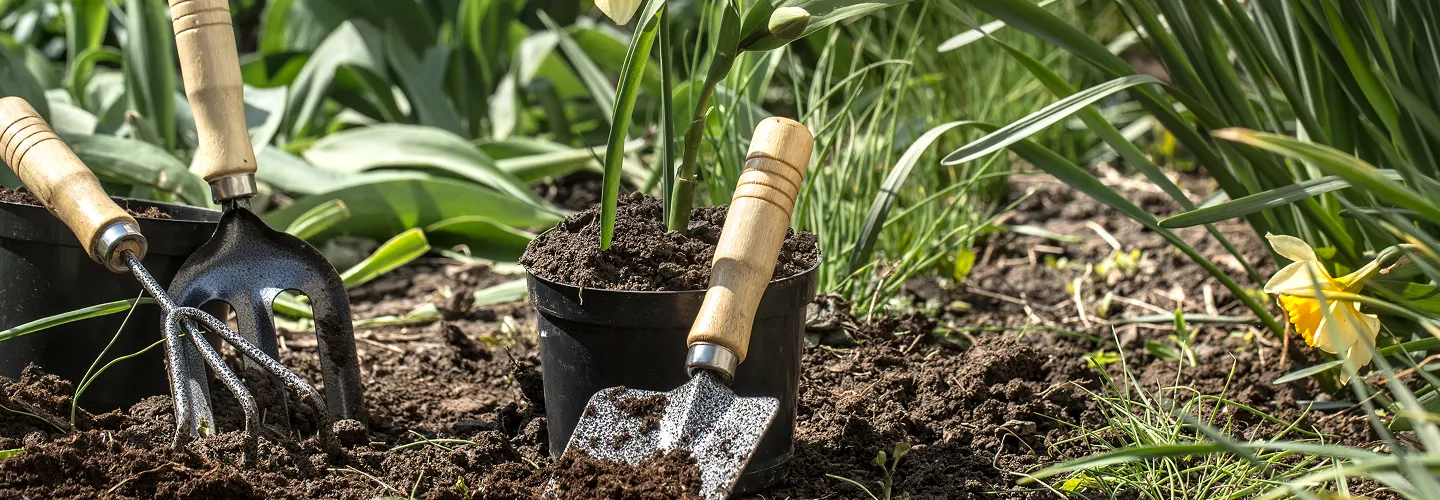
Sandersville Artificial Grass Installation Services
Choose our Artificial Grass Installation for a beautiful, maintenance-free lawn that saves you time, money, and water—enjoy green perfection all year round without the work.
Get a Free QuoteOur Sandersville Landscaping & Yard Care Services
When to Schedule Artificial Grass Installation in Sandersville, Georgia – Seasonal Guide
Choosing the right time for artificial grass installation in Sandersville, Georgia, can make a significant difference in the longevity and appearance of your new lawn. Sandersville’s climate features hot, humid summers and mild winters, with rainfall peaking in late spring and early summer. For most homeowners in neighborhoods like North Sandersville or near the Washington County Courthouse, the ideal installation window is during the cooler, drier months—typically late fall through early spring—when soil is workable and humidity is moderate. This timing helps avoid the challenges of summer heat and heavy rainfall, which can complicate installation and affect turf adhesion.
Local environmental factors such as the region’s clay-heavy soils, variable shade from mature oaks in areas like Deepstep Road, and the risk of late spring frosts should all be considered. Additionally, municipal guidelines and seasonal water restrictions, which can be found on the official city website, may influence your project schedule. Consulting with a local expert ensures your installation is tailored to Sandersville’s unique landscape and regulatory environment.
Local Factors to Consider for Artificial Grass Installation in Sandersville
- Tree density and shade coverage, especially in established neighborhoods
- Soil type and drainage, with clay soils requiring special preparation
- Seasonal precipitation patterns and risk of drought
- Frost dates and temperature fluctuations
- Terrain slope and accessibility for installation equipment
- Municipal restrictions or permitting requirements
Benefits of Artificial Grass Installation in Sandersville
Low Maintenance Landscaping
Year-Round Green Appearance
Water Conservation
Pet-Friendly Surfaces
Allergy Reduction
Long-Lasting Durability
Sandersville Artificial Grass Installation Types

Residential Artificial Turf
-
Commercial Synthetic Grass
-
Pet-Friendly Turf Solutions
-
Playground Artificial Grass
-
Sports Field Turf Installation
-
Golf Putting Green Turf
-
Rooftop and Patio Turf
Our Artificial Grass Installation Process
Site Evaluation
Ground Preparation
Base Installation
Laying Artificial Grass
Finishing and Inspection
Why Choose Sandersville Landscape Services
Sandersville Homeowners Trust Us
-
Comprehensive Lawn Maintenance
-
Reliable Seasonal Cleanups
-
Expert Tree and Shrub Care
-
Efficient Irrigation Solutions
-
Competitive Pricing
-
Professional and Courteous Team
-
Satisfaction Guarantee
Sandersville's Fall Line Soils and Base Preparation for Artificial Grass Installation
Sandersville sits along Georgia's Fall Line, where the Piedmont plateau transitions into the Coastal Plain. This geographic position produces a distinctive mix of sandy loam and kaolin-rich clay soils—Washington County is, in fact, one of the world's leading kaolin-producing regions. These soil characteristics directly affect how artificial turf base layers must be engineered. According to the USDA Web Soil Survey, predominant local soil series such as Orangeburg, Norfolk, and Faceville feature moderate-to-well-drained sandy loams over clay subsoils. Proper site preparation for synthetic turf in Sandersville requires attention to several factors:
- Excavation depth: Typically 3–4 inches of existing soil must be removed and replaced with crushed aggregate base material to ensure adequate drainage and a stable surface.
- Compaction testing: The underlying clay subsoil can retain moisture and shift seasonally; compacting the aggregate base in lifts of 1–2 inches ensures long-term surface stability.
- Drainage gradient: A minimum slope of 1–2% should be maintained across the finished sub-base to prevent water pooling, particularly on lots where clay layers impede vertical percolation.
- Weed barrier installation: A geotextile fabric placed between the native soil and aggregate base prevents root intrusion from below.
Sandersville falls within USDA Plant Hardiness Zone 8b, where summer soil temperatures can exceed 90°F at the surface. Installers should account for thermal expansion of infill materials and select products rated for sustained heat exposure common in Middle Georgia.
Navigating Sandersville's Building and Zoning Review for Synthetic Turf Projects
Before beginning an artificial grass installation in Sandersville, property owners should determine whether the project triggers any review through the city's development and zoning framework. The Sandersville Building and Zoning Department administers building permits, zoning compliance, and construction inspections for residential and commercial properties. While small-scale residential turf replacement may not require a formal building permit, several conditions may prompt review:
- Grading or drainage alteration: Projects that change the grade of a lot or redirect stormwater flow may require site plan review or approval.
- Setback and frontage compliance: Installations near property lines, sidewalks, or public rights-of-way must conform to applicable setback requirements under the Sandersville City Code of Ordinances.
- Commercial or multi-family properties: Larger-scale installations on commercial parcels or apartment complexes are more likely to require a permit and may need to demonstrate compliance with impervious surface limits or stormwater management standards.
- Utility easements: Artificial turf should not be permanently anchored over water, sewer, or gas easements without coordination with the relevant utility provider.
Property owners are advised to confirm current permit thresholds and zoning requirements directly with the department before work begins.
Sandersville Building and Zoning Department
P.O. Box 647, Sandersville, GA 31082
Phone: (478) 552-2997
Official Website: Sandersville Building and Zoning Department
Stormwater Runoff and Drainage Compliance Near Sandersville's Local Waterways
Sandersville and Washington County contain several creeks and tributaries within the Ogeechee and Oconee River watersheds. Artificial grass installations must be designed so that stormwater runoff does not increase erosion, carry sediment, or introduce pollutants into these waterways. The Georgia EPD Watershed Protection Branch oversees water quality standards statewide, and projects that disturb land or alter drainage patterns may fall under state erosion and sedimentation control requirements.
Key drainage considerations for synthetic turf projects in Sandersville include:
- Permeable backing systems: Select artificial turf products with perforated or permeable backing that allows rainwater to pass through the surface into the aggregate base rather than sheeting off as surface runoff.
- Drainage outlet management: Ensure that sub-base drainage channels direct water away from foundations and toward appropriate stormwater conveyance—not directly into roadside ditches or storm drains without filtration.
- Sediment control during installation: Excavation and grading work should incorporate silt fencing or erosion control blankets, especially on properties adjacent to creeks or low-lying drainage corridors.
- Infill material selection: Avoid crumb rubber or other infill materials that may leach chemicals; silica sand or coated sand infills are generally preferred near sensitive waterways.
The Sandersville Water Department can provide guidance on local utility infrastructure and drainage easements that may affect installation planning.
Sandersville Water Department
P.O. Box 647, Sandersville, GA 31082
Phone: (478) 552-2997
Official Website: Sandersville Water Department
How Sandersville's Summer Heat Affects Artificial Turf Surface Temperatures and Material Selection
Middle Georgia's climate subjects Sandersville to prolonged summer heat, with average high temperatures exceeding 90°F from June through August and humidity levels that intensify perceived surface warmth. According to the National Weather Service, the region regularly experiences heat indices above 100°F during peak summer months. Artificial turf surfaces absorb and radiate heat at significantly higher rates than natural grass, making material selection and installation design critical for safety and longevity.
Residents and property managers should consider the following when planning installations:
- Turf fiber color and density: Lighter-colored turf fibers reflect more solar radiation and produce lower surface temperatures than dark green or dense-pile products. Dual-tone or olive-blend fibers can reduce heat absorption by 10–15°F compared to solid dark green options.
- Infill type: Organic or coated infill materials such as Envirofill or ZeoFill tend to retain less heat than standard crumb rubber. Silica sand infill also remains cooler under direct sun exposure.
- Shade integration: Properties with mature hardwood canopy—common in Sandersville's older residential areas—benefit from natural shade that moderates turf surface temperatures. Where shade is absent, installers may recommend adjacent plantings or shade structures.
- Irrigation for cooling: A brief rinse with water from a garden hose can reduce artificial turf surface temperatures by 30–50°F. This is a practical measure for play areas or pet zones during July and August.
UGA Cooperative Extension provides additional resources on landscape heat management strategies suited to Georgia's climate.
Disposal of Excavated Soil and Old Turf Through Sandersville Public Works Coordination
Artificial grass installation generates significant volumes of excavated soil, removed sod, and construction debris that must be properly managed. The Sandersville Public Works Department oversees solid waste collection and infrastructure maintenance within city limits. Property owners and contractors should coordinate disposal logistics before beginning work to avoid code compliance issues or improper dumping.
Practical disposal guidance includes:
- Excavated soil: Native soil removed during base preparation—often several cubic yards for a typical residential installation—should be hauled to an approved disposal or fill site. Verify with Public Works whether the city maintains a designated location for clean fill material.
- Removed sod and vegetation: Organic material stripped from the installation area may be accepted through the city's yard waste collection program. Bundle or bag organic debris according to current collection requirements.
- Construction materials: Leftover aggregate, geotextile fabric, adhesive containers, and turf scraps are classified as construction waste and should be disposed of through appropriate commercial hauling services, not placed curbside with household waste.
- Dumpster or roll-off placement: If a temporary dumpster is needed on-site, confirm whether a right-of-way placement permit is required, particularly if the container will occupy a public sidewalk, street, or easement area.
Contact the department directly to verify current collection schedules and disposal site availability.
Sandersville Public Works Department
P.O. Box 647, Sandersville, GA 31082
Phone: (478) 552-2997
Official Website: Sandersville Public Works Department
What Neighborhoods Do We Serve Throughout Sandersville, GA?
- Downtown Sandersville / Historic District: Older residential lots near the Washington County Courthouse often feature mature tree canopy, compacted soils from decades of development, and smaller yard footprints that are well-suited to artificial turf conversion. Historic property considerations may apply; verify any exterior modification guidelines with the city.
- Harris Street and South Harris Corridor: This established residential area includes mid-century homes with moderate lot sizes. Clay-over-sand soil profiles and aging drainage infrastructure require careful sub-base engineering during turf installation.
- North Sandersville / Highway 15 Corridor: Properties along and adjacent to the GA-15 corridor tend toward newer construction with open, sun-exposed yards. Artificial turf in these areas must account for full-sun heat exposure and may benefit from lighter-colored fiber selections.
- Riddleville Road Area: Semi-rural lots on the western edge of the city feature larger properties with mixed soil conditions and occasional low-lying wet areas near creek tributaries. Drainage assessment is essential before installation.
- East Sandersville / Kaolin Road Vicinity: Proximity to kaolin mining operations means soils in this area may contain higher concentrations of white clay, which drains poorly and requires enhanced aggregate base depth for stable turf installation.
- Hamburg State Park Vicinity: Properties near Hamburg State Park are situated in wooded, low-traffic settings with sandy loam soils and natural shade. Installations here should prioritize permeable drainage systems to protect the surrounding natural environment.