
Sandersville Green Waste Disposal Services
Choose our Green Waste Disposal for reliable, environmentally responsible service that keeps your property clean and supports a healthier Sandersville. We make it easy to dispose of yard debris and organic waste the right way.
Get a Free QuoteOur Sandersville Landscaping & Yard Care Services
When to Schedule Green Waste Disposal in Sandersville, Georgia – Seasonal Guide
In Sandersville, Georgia, the best times for green waste disposal are closely tied to our unique climate and landscape. With warm, humid summers and mild winters, most homeowners find that late winter through early spring is ideal for clearing out yard debris before new growth begins. This timing helps prevent the buildup of organic material that can harbor pests or disease, especially in neighborhoods like North Sandersville and near the Washington County Courthouse, where mature trees and dense foliage are common.
Local environmental factors such as our clay-heavy soils, variable rainfall, and the risk of late spring frosts all play a role in determining the optimal disposal schedule. For example, areas with heavy shade coverage, like those near the Sandersville Old City Cemetery, may accumulate more leaf litter and require more frequent attention. Additionally, municipal guidelines and seasonal restrictions—often updated on the official city website—should be checked before scheduling large disposals to ensure compliance and efficiency.
Local Factors to Consider for Green Waste Disposal in Sandersville
- Tree density and types of vegetation on your property
- Proximity to landmarks or neighborhoods with heavy foliage
- Typical precipitation patterns and drought risk
- Soil type (e.g., clay-heavy or sandy areas)
- Shade coverage and sun exposure
- Municipal restrictions or scheduled pickup dates
- Frost dates and seasonal temperature shifts
Benefits of Green Waste Disposal in Sandersville

Eco-Friendly Landscaping Solutions
Efficient Yard Waste Removal
Promotes Healthy Plant Growth
Reduces Landfill Waste
Improves Curb Appeal
Supports Local Sustainability
Sandersville Green Waste Disposal Types

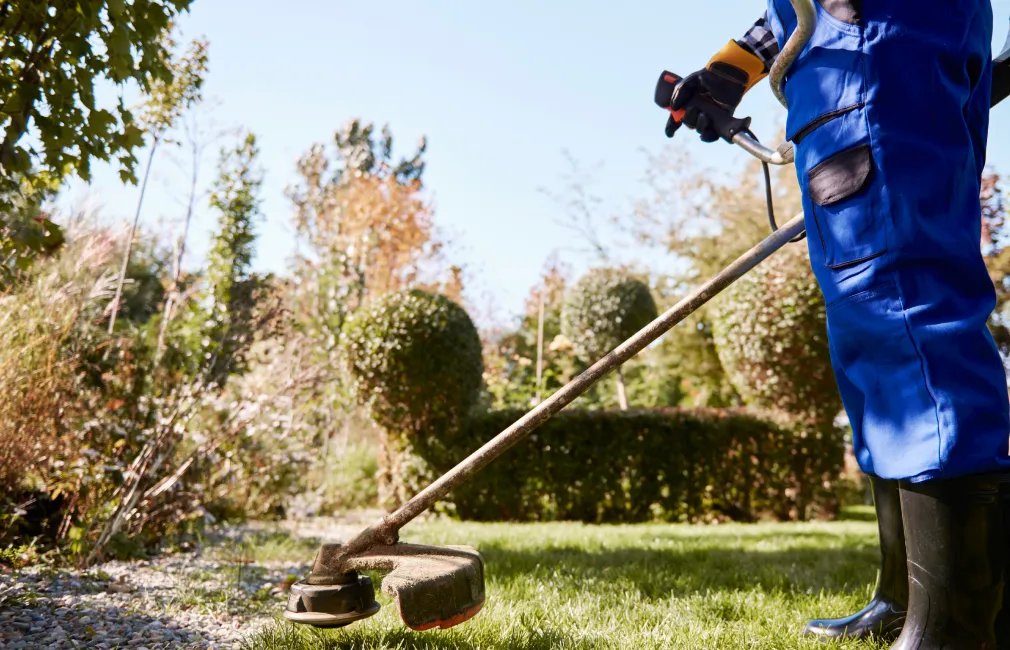
Grass Clippings
-
Tree Branches
-
Leaves and Foliage
-
Shrub Trimmings
-
Garden Debris
-
Mulch Material
-
Wood Chips
Our Green Waste Disposal Process
Collection of Green Waste
Sorting and Separation
Transport to Disposal Facility
Eco-Friendly Processing
Why Choose Sandersville Landscape Services
Sandersville Homeowners Trust Us
-
Comprehensive Lawn Maintenance
-
Reliable Seasonal Cleanups
-
Expert Tree and Shrub Care
-
Efficient Irrigation Solutions
-
Competitive Pricing
-
Professional and Courteous Team
-
Satisfaction Guarantee
Navigating Sandersville's Public Works Solid Waste Collection for Yard Debris
Sandersville residents must coordinate green waste disposal through the city's established solid waste collection program. The Sandersville Public Works Department oversees curbside pickup of yard debris, including grass clippings, leaves, small branches, and shrub trimmings generated from routine property maintenance. To ensure collection, residents should follow these preparation guidelines:
- Branches and limbs should be cut to manageable lengths, typically no longer than four feet, and bundled or stacked neatly at the curb
- Loose leaves and grass clippings should be bagged in biodegradable yard waste bags or placed in designated containers rather than left loose in the right-of-way
- Debris placement must not obstruct sidewalks, drainage ditches, or stormwater inlets along city streets
- Large volumes from major clearing or storm cleanup may require separate coordination with Public Works
Residents should verify current pickup schedules and any seasonal adjustments directly with the department. The Sandersville City Code of Ordinances addresses property maintenance standards and waste placement requirements that apply to green waste set out for collection.
Sandersville Public Works Department
115 South Harris Street, Sandersville, GA 31082
Phone: (478) 552-2997
Official Website: Sandersville Public Works Department
Seasonal Green Waste Volume and Disposal Timing in Sandersville's Long Growing Season
Sandersville sits in USDA Hardiness Zone 8b, where warm-season turf grasses and deciduous hardwoods produce substantial green waste across an extended growing period—typically March through November. The city's Middle Georgia climate, characterized by hot, humid summers and mild winters, creates distinct seasonal peaks in yard debris generation:
- Spring (March–May): Rapid bermudagrass and zoysiagrass growth generates heavy clipping volumes; azalea and crape myrtle pruning debris increases
- Summer (June–August): Frequent mowing cycles every five to seven days produce consistent grass clippings; storm events may generate sudden branch and leaf debris
- Fall (October–December): Leaf drop from oaks, sweetgums, pecans, and pines creates the highest annual volume of green waste requiring disposal
- Winter (January–February): Dormant-season pruning of hardwoods and ornamental shrubs produces woody debris best disposed of before spring growth resumes
Property owners should plan disposal efforts around these cycles to avoid accumulation that may violate property maintenance standards. The UGA Cooperative Extension provides region-specific guidance on pruning timing that can help reduce unnecessary waste generation.
How Sandersville's Kaolin-Region Soils Affect Green Waste Decomposition and Drainage
Washington County, where Sandersville is located, is nationally recognized for its kaolin clay deposits. The predominant soil series in the Sandersville area—including Orangeburg, Norfolk, and Faceville sandy loams mapped through the USDA Web Soil Survey—feature sandy surface horizons over clay subsoils. These characteristics directly affect green waste management:
- Surface drainage on sandy loam topsoils can be moderate, but compacted clay subsoils may cause water to pool where green waste is piled, creating anaerobic decomposition and odor issues
- On-site composting requires attention to moisture management; sandy surfaces dry quickly in summer heat, while clay layers beneath can trap excess water during heavy rainfall
- Curbside debris piles left on bare soil can impede drainage along roadside ditches, particularly in low-lying areas where Washington County's clay subsoils restrict infiltration
Residents considering on-site composting of leaves and grass clippings should ensure piles are located away from drainage swales, property-line ditches, and any areas draining toward Sandersville's stormwater infrastructure. The Georgia EPD Watershed Protection Branch provides guidance on protecting local water quality from organic runoff.
Protecting Sandersville's Creeks and Stormwater Infrastructure During Green Waste Removal
Sandersville's drainage network includes several small creeks and tributaries within the Oconee River watershed that are sensitive to organic loading from improperly managed green waste. Dumping yard debris into drainage ditches, creek channels, or near stormwater inlets is prohibited under local ordinances and may also violate state water quality standards enforced by the Georgia EPD. Property owners and contractors should observe these environmental compliance measures:
- Never deposit leaves, grass clippings, or brush into roadside ditches or drainage channels—decomposing organic matter depletes dissolved oxygen and degrades downstream water quality
- Keep green waste staging areas at least 25 feet from any creek bank, pond edge, or wetland margin
- Ensure that debris removed from properties near Hamburg State Park or other natural areas does not introduce invasive plant material to new locations; the UGA Extension Invasive Species program identifies species of concern such as Chinese privet and kudzu
- Sweep or collect loose organic material from streets and gutters after loading to prevent it from washing into storm drains
Compliance with the Clean Water Act and Georgia's water quality standards is a shared responsibility among residents, property managers, and service providers.
Sandersville Code Compliance and Large-Scale Green Waste Disposal Coordination
Properties undergoing significant land clearing, lot preparation, or storm damage cleanup may generate green waste volumes that exceed routine curbside collection capacity. In these cases, coordination with multiple city departments may be necessary. The Sandersville Building and Zoning Department should be consulted when green waste disposal is associated with site development, grading, or construction activity, as additional permits or site review may apply.
Key considerations for large-scale green waste projects include:
- Volume thresholds: Confirm with Public Works whether loads exceeding standard residential pickup require private hauling to an approved disposal facility
- Burning restrictions: Open burning of yard debris within Sandersville city limits may be restricted or require a permit; verify current burn regulations through the Sandersville Fire Department and the Georgia Forestry Commission, which administers outdoor burning permits in unincorporated areas
- Contractor responsibility: Professional landscaping and tree service operators are generally responsible for hauling and disposing of green waste they generate, rather than placing it curbside for municipal collection
- Code enforcement: Accumulated green waste that creates a nuisance, harbors pests, or obstructs public rights-of-way may result in code violations under the Sandersville City Code of Ordinances
Sandersville Building and Zoning Department
115 South Harris Street, Sandersville, GA 31082
Phone: (478) 552-2997
Official Website: Sandersville Building and Zoning Department
Georgia Forestry Commission
Phone: (800) 428-7337
Official Website: Georgia Forestry Commission
What Neighborhoods Do We Serve Throughout Sandersville, GA?
- Downtown Sandersville / Historic District: Older residential lots with mature oaks, pecans, and ornamental plantings generate heavy seasonal leaf and branch debris; narrow lot lines and proximity to sidewalks require careful curbside staging to avoid obstructing pedestrian access and drainage infrastructure.
- South Harris Street Corridor: Established residential properties along this corridor feature mixed hardwood canopy and moderate lot sizes; green waste volumes peak during fall leaf drop and spring pruning seasons.
- North Smith Street Area: A mix of older homes and infill development with variable lot conditions; sandy loam soils and roadside ditches require attention to debris placement to maintain drainage flow.
- West Haynes Street Neighborhood: Residential properties with larger yards and wooded rear boundaries produce consistent brush and limb debris, particularly after summer thunderstorms common in Washington County.
- East McCarty Street / School District Area: Family-oriented neighborhood with maintained lawns and moderate tree cover; routine mowing clippings and seasonal shrub trimmings constitute the primary green waste stream.
- Hamburg State Park Vicinity: Properties near this recreational area border wooded corridors and natural drainage features; green waste removal must account for invasive species management and proximity to protected natural areas.